A history of the World Association of Master Chefs
WAMC began as a small group of Australian chefs with a large idea: that the craft travels further when the people who practise it know one another. Seventy-five years on, that is still the whole of it.
An immigration boom, and a room full of chefs
Australia changed its immigration laws in late 1948. The boom that followed from 1949 brought a great many people from Europe, and with them new ways of cooking, new suppliers, and a reason for the Australian food and beverage trade to talk to the rest of the world.
On 4 September 1950 a small group of respected chefs came together from around the country. They formed a group to promote the development and exchange of hospitality culture worldwide. They called it the World Master Chef Group.
It had a deep sense of fellowship from the start. As hospitality grew, so did the group — into a global network with academic exchange, professional certification and culinary training. Members then spread out across the world, and for a time the group's work softened. It stayed alive, but without steady leadership its purpose was being swallowed up.
From a fellowship to an association
Early on, a group of celebrity and professional chefs met to begin formalising the association. Several of them had been guests at a function hosted by the Vocational Training Council in Hong Kong.
Out of those conversations — and a great many late nights — came a Culinary Arts Centre in China. Some of those chefs went on to careers in front of the camera. Others stayed with the work, growing the skills programmes and the competitions over the next two years.
Alongside that they ran and oversaw several other institutions: the International Culinary and Hospitality Association (ICHA), the International Wine Academy (IWA), and — most importantly — the World Master Chef Group itself.
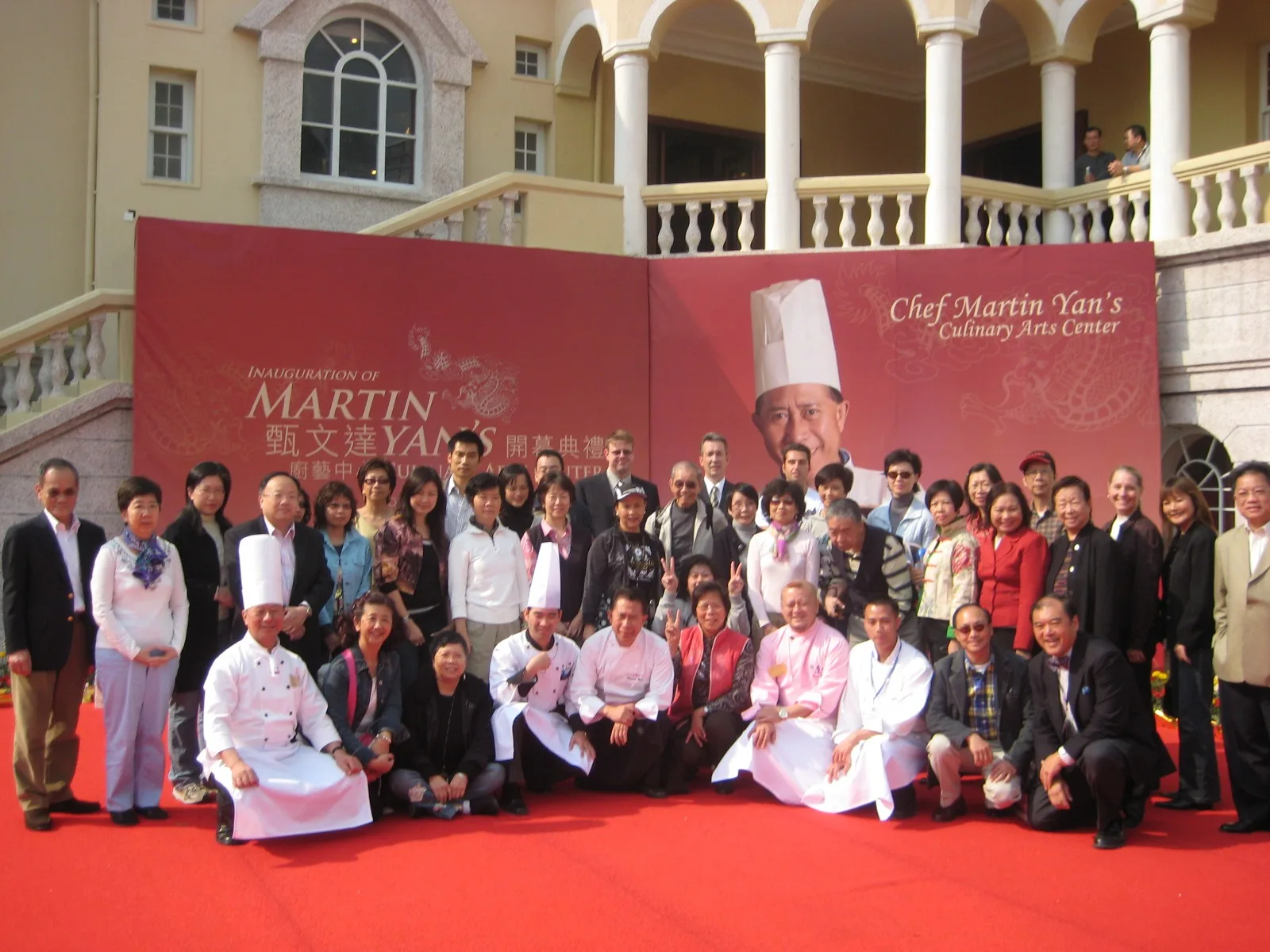
Australia, Hong Kong, and the rest of the world
In the early 1990s Mr Lo invested in Australia's vocational education college sector. He worked on the retraining and placement of hotel and catering people who had emigrated to Australia from all over the world, and judged at cooking competitions. He later served as a senior executive of several Australian chef associations.
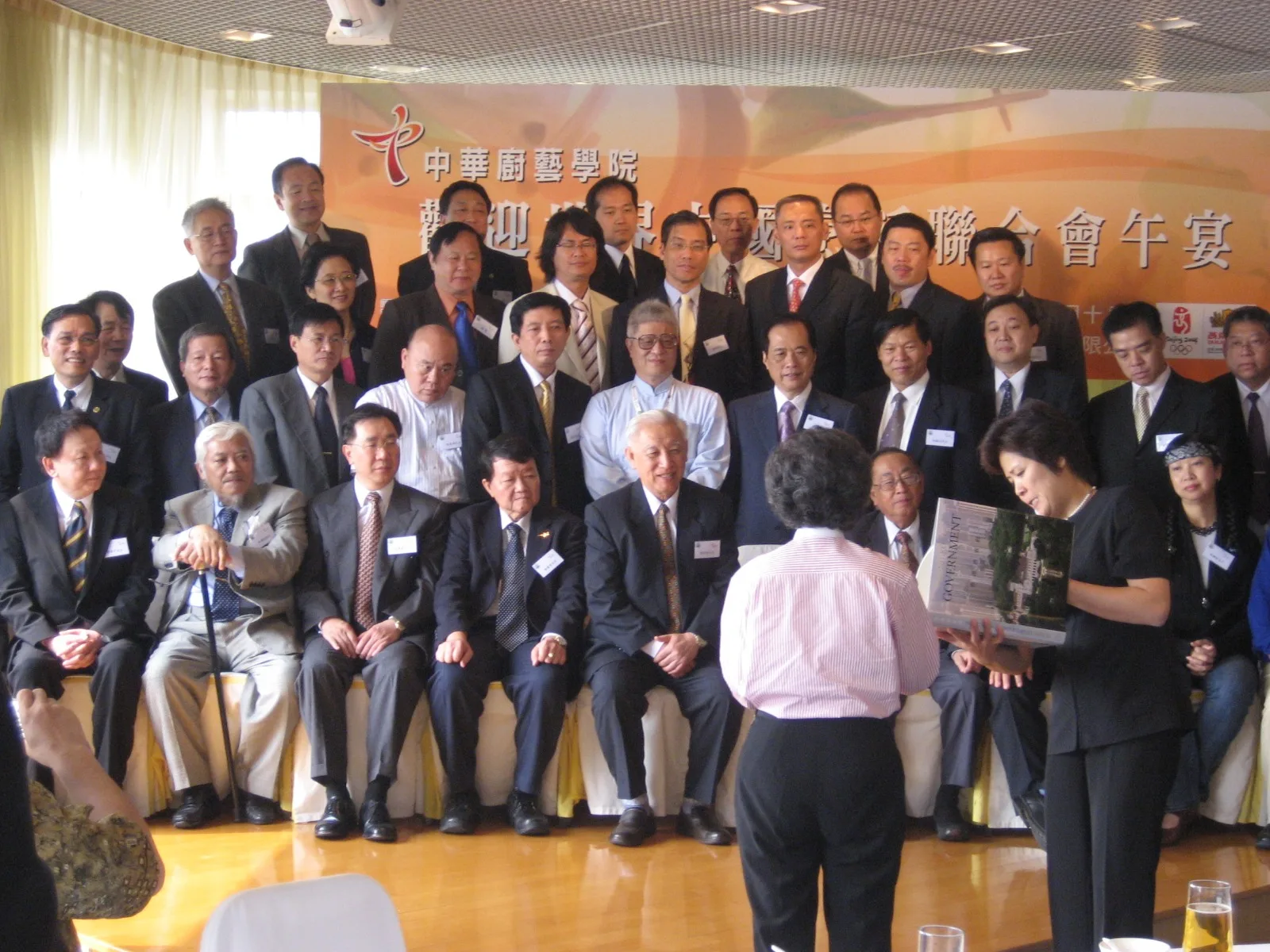
In 2006 the Chinese Culinary Institute in Hong Kong invited him to an industry summit of hotel leaders from around the world. The theme was "Trends in the 21st Century Hotel and Catering Industry", and he was one of four speakers, representing Australia.
He used the occasion to introduce WAMC to Hong Kong and to China, and went on forming alliances with associations and chefs in other countries and regions.
Quietly, and in 65 countries
After years of steady work, WAMC is a recognised industry platform and brand in the hotel and catering trade across Oceania and in 65 countries beyond it.
As it grew, WAMC became a way of carrying international culinary art and food culture to the world, which is what the original group set out to do. It has never been one for the limelight. Most of the work happens behind the scenes, at ground level, where the industry actually is.
Today WAMC is represented in many countries, with members at every level of hospitality and tourism. A new period of growth has begun, and a firm, structured approach to education is the focus for what comes next.
Dignitatem ex hoc conatus
Excellence through effort
Like many associations, WAMC takes its pride from its members and the skill they bring to the industry. The Latin is a fitting statement for the standard and the dedication of everyone associated with it.
A place to share what you know
The idea behind WAMC is a worldwide sharing platform for professional skills and experience. Celebrity chefs, masters and hospitality specialists from around the world are invited into membership.
With their support, WAMC helps members realise what they set out to do, and carries international cooking and food culture further — through television, magazines and shared events.
Members can draw on the professional education, training and guidance WAMC provides as their own career grows.
Closing the gap
Asian culinary and food culture is broad, rich and varied. It has too often been misread as ordinary, or as something less than healthy, and that misreading has been carried along by the media.
A place to exchange and share is what closes that gap. As an Australian Chinese, Sunly Lo wanted to give the international catering industry and fellow culinary masters the chance to see, share and admire the food culture of Asia — and to reach the largest market in the world.
It runs the other way too. Through internationally recognised Australian professional assessment, culinary masters can show what they can do to a world audience, and open up work and business abroad through specialised training.
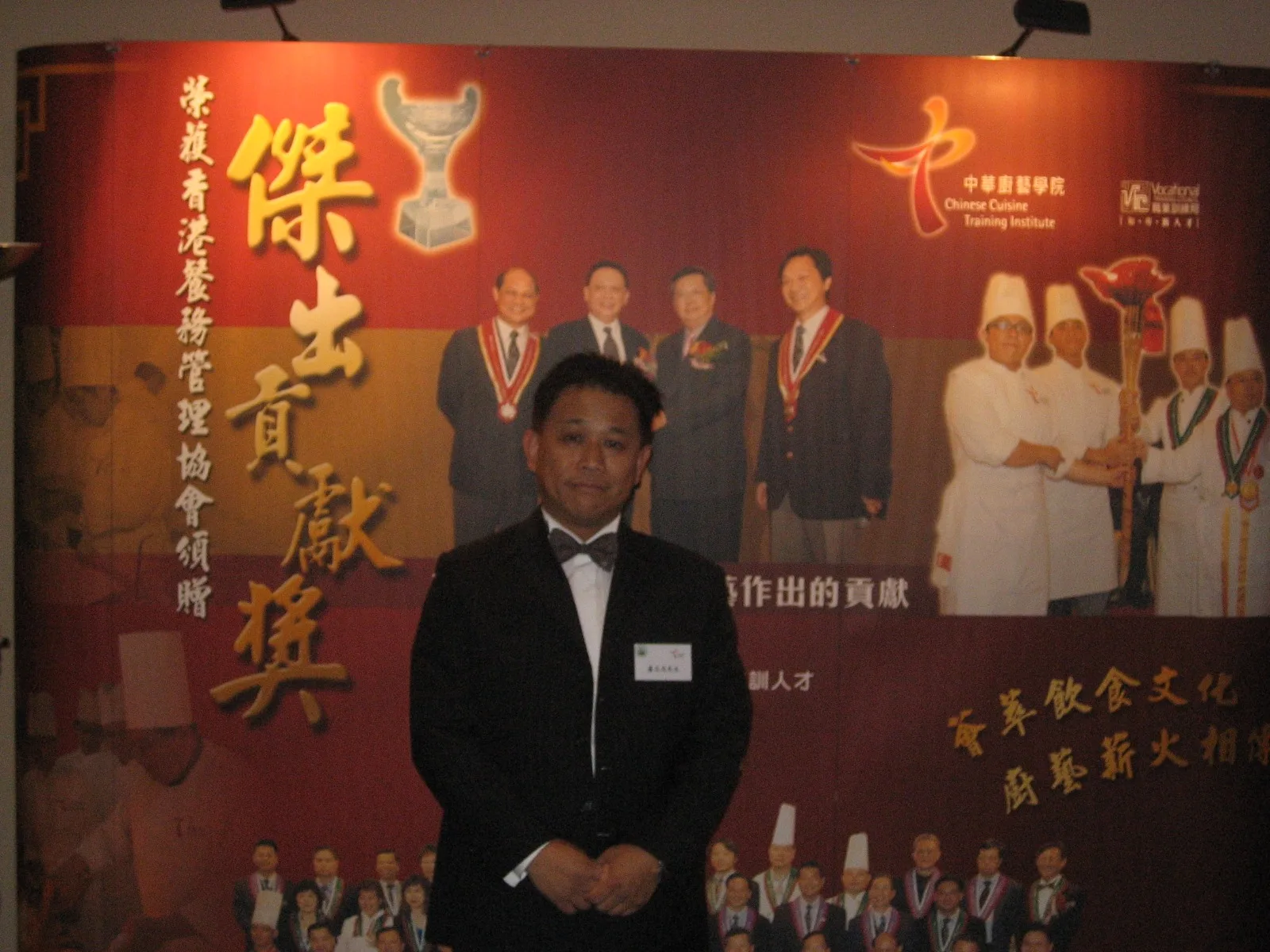
Registered where the work happens
On legal advice, WAMC is registered in Hong Kong and, through our partnerships, in Australia.
The reason is practical. The WAMC network runs activities in Taiwan, Malaysia, Australia, New Zealand, China, Hong Kong, England and elsewhere, and the rules covering associations and non-profit bodies differ in every one of them. Much of what WAMC does involves contracts and agreements. An Australian association or non-profit is limited by local statute and tax rules in how far it can operate overseas.
Who carries WAMC now
WAMC continues to invite celebrity chefs, masters and catering specialists from around the world to take a part in the association. An invitation is an honour, and a recognition of professional standing in the industry.
WAMC is owner-operated. Its representatives around the world are appointed, and today they come from many countries. What WAMC offers is room: for professional skill, for professional advancement, and for work across borders.
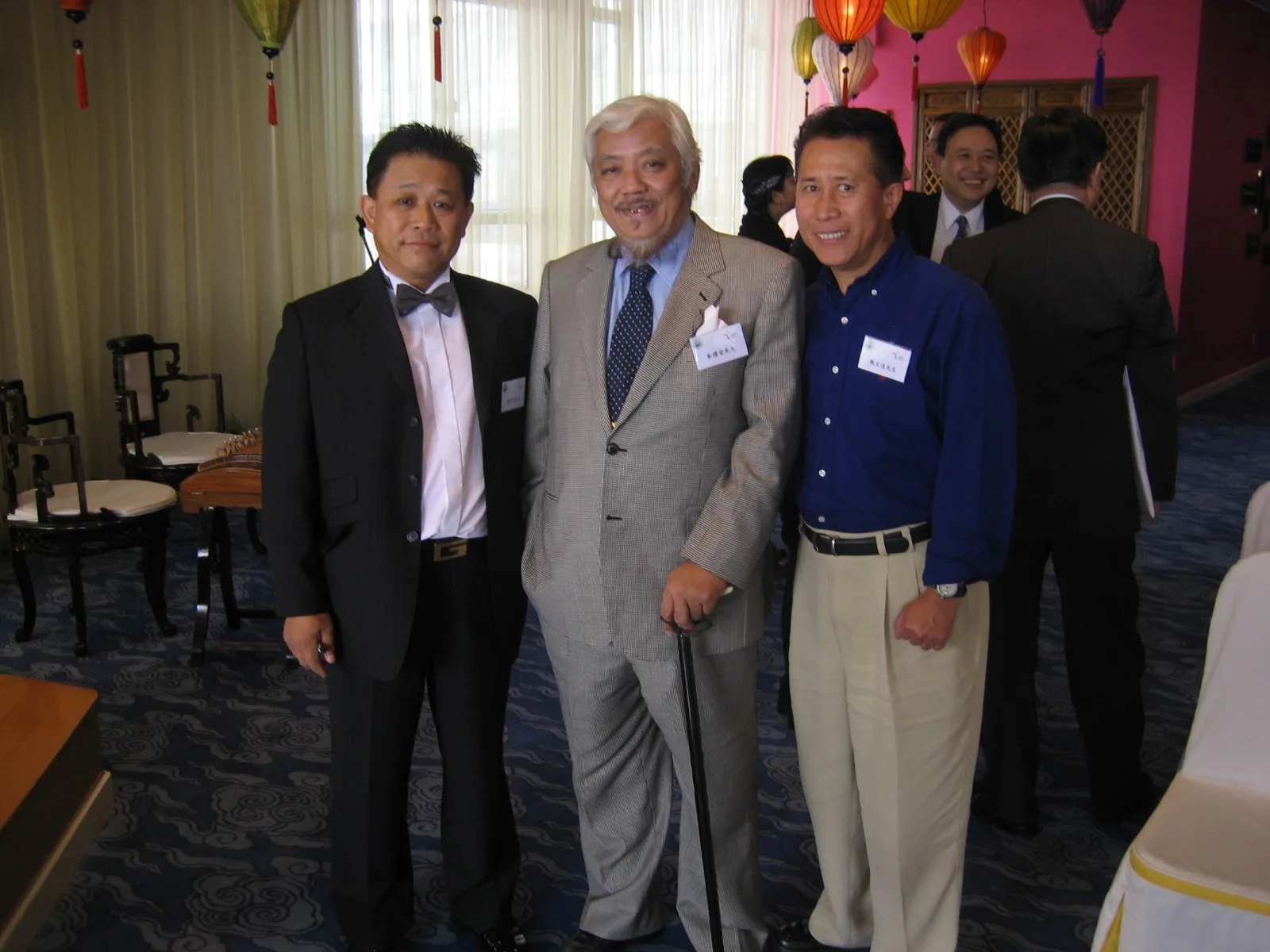
See it year by year
The timeline sets out the milestones, the chapters and the members behind them.
Open the timeline